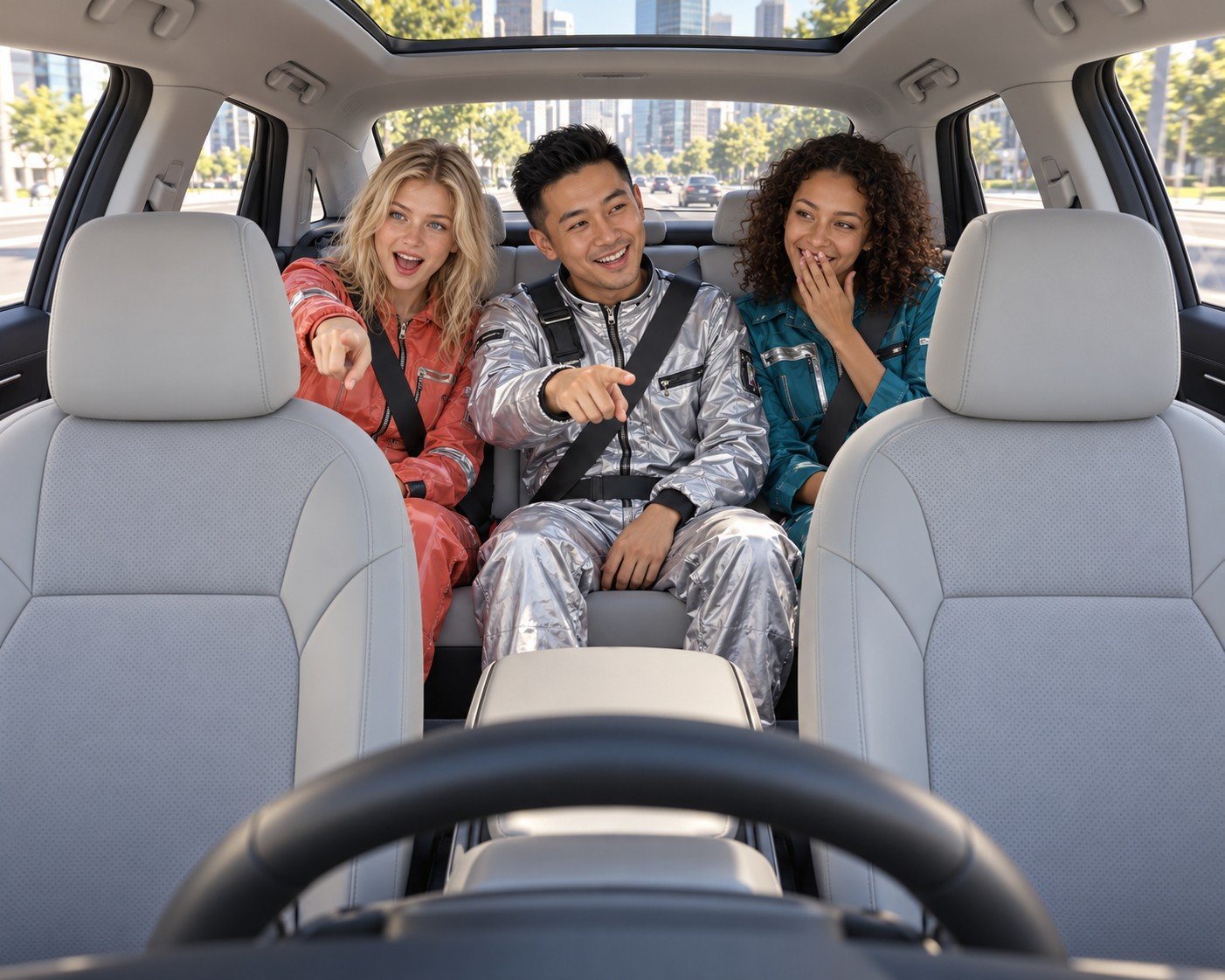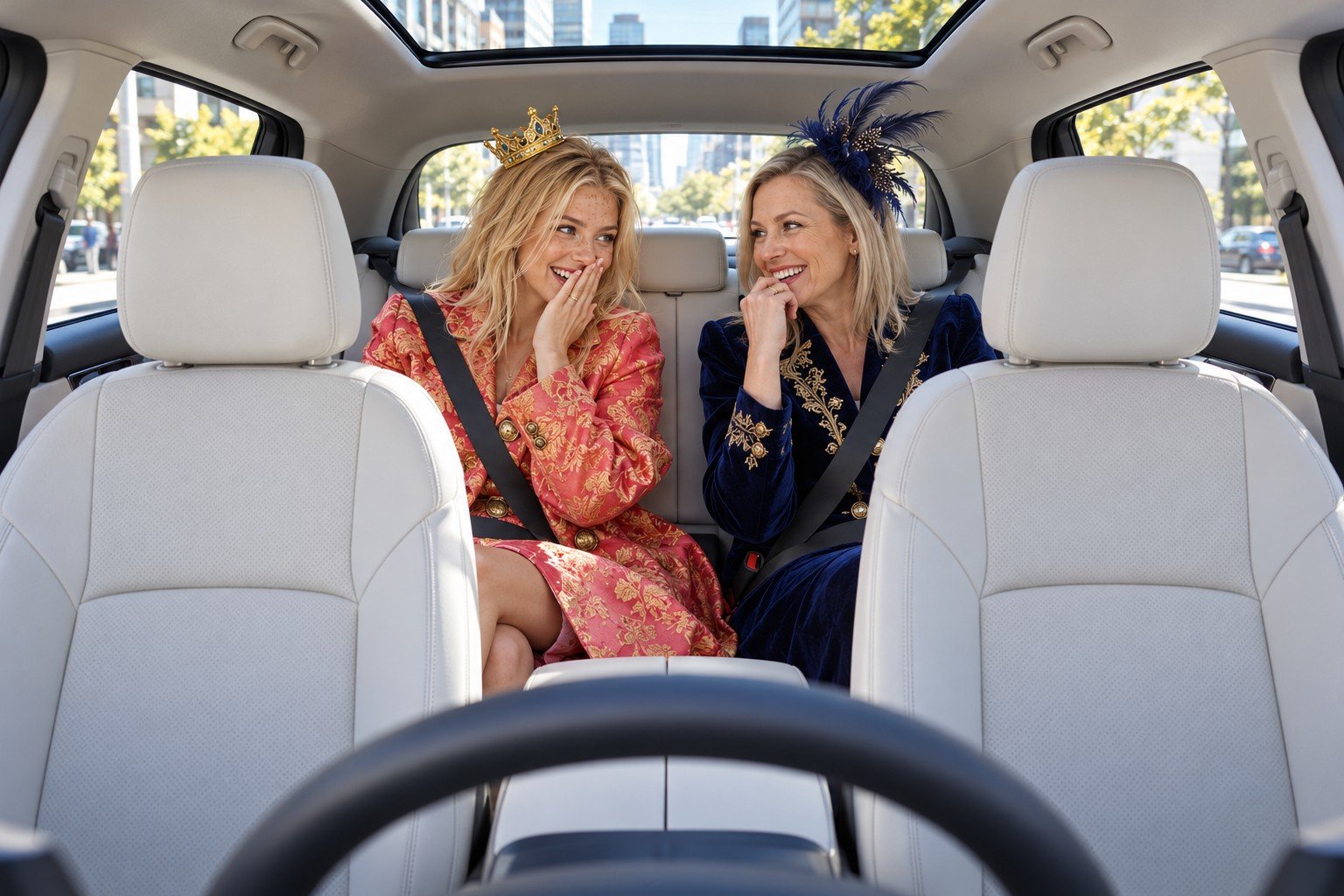

An empty driver's seat. A very full financing table. The Zip AI crew looks at the next stage of driverless transportation.
By Peaches · Robotics, EV & Home Tech · October 12, 2026
Peaches has one question about the driverless future: if nobody is driving, who gets blamed for missing the turn?
Eleanor has another: who is paying for all these cars?
This week, that second question got a very large answer.
The News, Without The Confetti
Waymo announced on October 8 that it had closed a $5 billion term loan, its first debt financing. The company says the money will support expansion of its fully autonomous ride-hailing service in the United States and internationally.
PIMCO, Blackstone, and Sixth Street participated as lead syndicated lenders. Goldman Sachs served as sole lead bookrunner.
That is the confirmed announcement. Our cast's imaginary curbside adventure is where the fun begins.
Eleanor Confiscates The Party Horn
Peaches is already picturing a robotaxi with a bow on the roof. Eleanor gently moves the bow aside.
In our newsroom sketch, she explains: “A loan comes with obligations. Please stop calling it a five-billion-dollar gift basket.”

For readers, the distinction matters. Debt is borrowed money; equity involves an ownership stake. This announcement does not establish profitability or tell us whether a particular ride is economical. Those questions need separate evidence.
Kenji Meets The Empty Driver's Seat
Kenji's imaginary field assignment is to explain autonomy without turning the article into a sensor catalog.
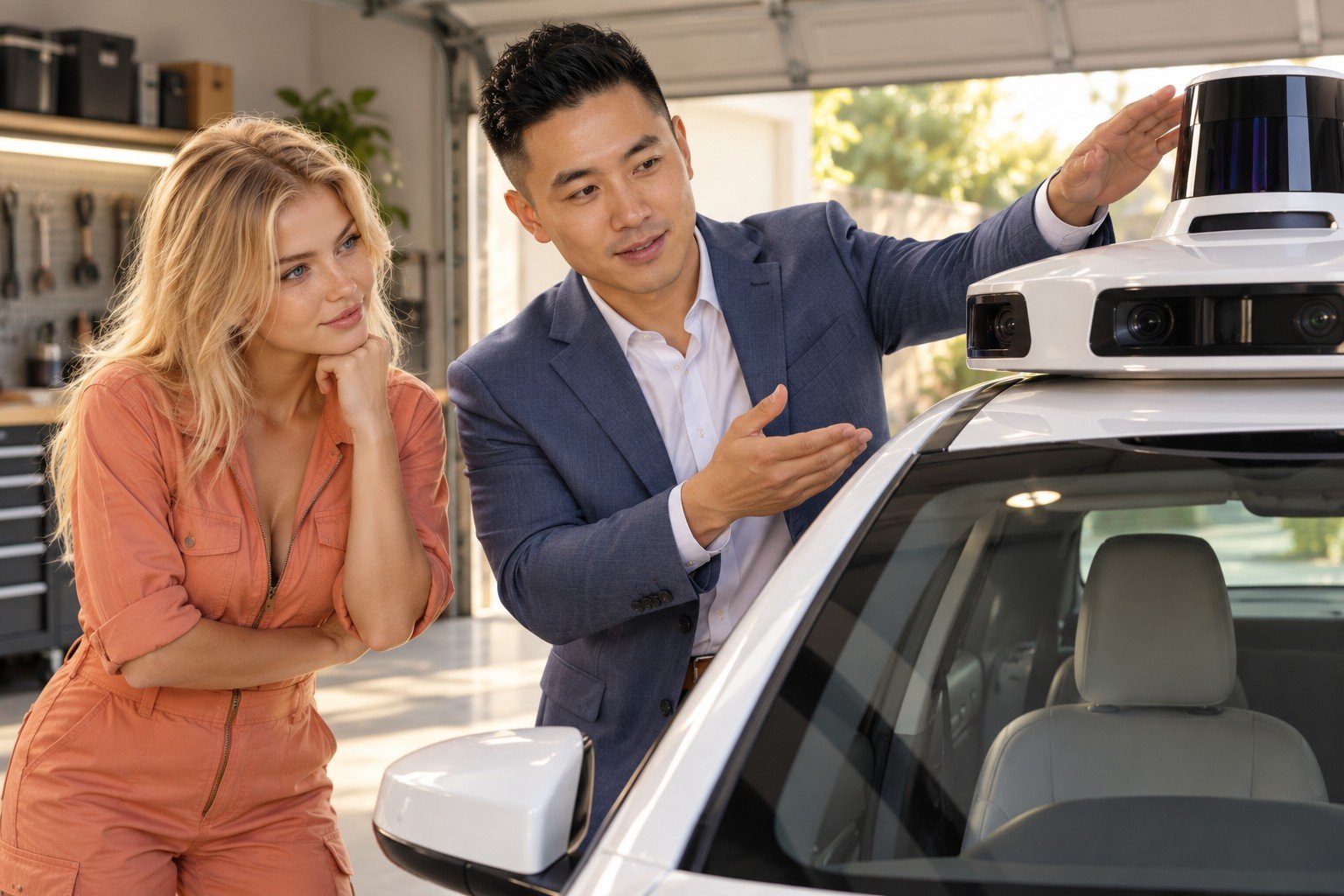
“Can it handle the journey?” Peaches asks.
“First, let's define the journey,” he replies.
That is a useful habit for any AI story. Ask where a system operates, what conditions it supports, and what happens when it needs help. A demonstration and a dependable service answer different questions.
Harry, meanwhile, has appointed himself pickup coordinator. He has a clipboard, a curbside plan, and the expression of a man who knows the hardest part of transportation can be getting everyone into the same car.
The Rest Of The Crew Has Notes
Bella wants the camera angle. Radio wants to know how the booking workflow fits together. Emily has scheduled the imaginary group outing, while Kai is examining the passenger interface. Freya likes the clean arrival experience. Valentina is capturing reactions. Marcus is thinking about operations.
Everyone has a role. Nobody has been assigned to drive.
These are fictional character beats, not accounts of an actual Zip AI ride or product test.
What We Would Watch Next
Our editorial questions are straightforward: Where does service actually become available? How does the passenger experience hold up? What do independent safety evidence and local operating rules show? Can the economics support sustained expansion?
For business owners, the broader lesson is practical: when evaluating automation, look at the entire service around the technology—support, exceptions, operating costs, and measurable results.
Peaches' verdict: “I'm interested. But if the car lets Harry control the playlist, we need a second vehicle.”
Would you take your first driverless ride—or let the rest of the crew go first?
Source: Waymo, “Waymo Closes $5 Billion Debt Financing to Accelerate Business Expansion,” October 8, 2026. Read the original announcement.
Editorial note: Cast dialogue is original fiction. All accompanying cast images are AI-generated editorial illustrations; they do not document a real trip, endorsement, partnership, or confirmed vehicle configuration.
Five ways to dress for a ride with no driver
Our imaginary crew’s wardrobe got considerably more adventurous. In every scene, the passengers sit in the rear and both front seats are empty.